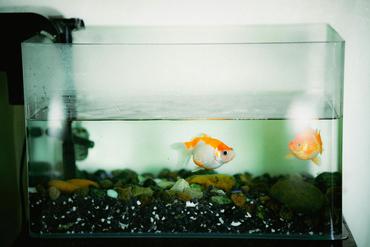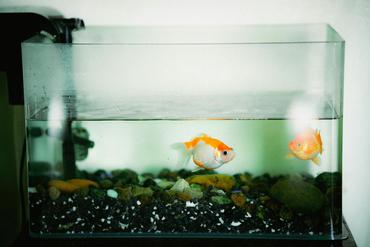
THE MEDAKA FEVER

The Rise of the Japanese Rice Fish: Why the Medaka Fever?

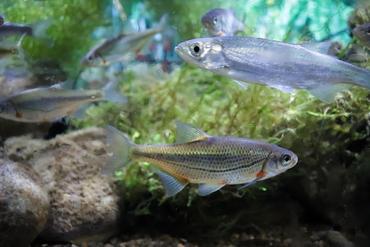
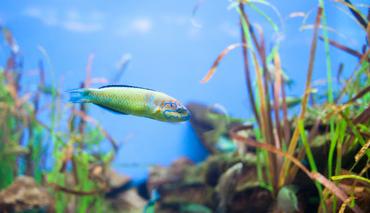
The sudden explosion of interest in Medaka is not accidental. For years, the freshwater hobby was dominated by tropical species that required heaters, complex filtration, and specific water chemistry. The Medaka breaks all these rules. Originally found in the rice paddies and slow-moving streams of East Asia, these fish have evolved to withstand dramatic temperature fluctuations, ranging from near-freezing winters to sweltering summers. This adaptability makes them one of the top beginner-friendly freshwater fish available today, as they can thrive in unheated indoor tanks or small outdoor patio ponds.

Beyond their hardiness, the "fever" is driven by the sheer variety of the species. Unlike many other common fish, Medaka have been selectively bred in Japan for generations, resulting in hundreds of distinct "strains." These are not just different colors; they are different visual experiences. Some possess a reflective "lame" (sparkle) on their scales that glitters under sunlight, while others feature deep oranges, stark whites, or iridescent blues. The hobby has become almost collectible in nature, with enthusiasts trading rare lineages and competing to produce the next stunning color variant.

Another factor contributing to their popularity is their viewing angle. While most aquarium fish are bred to be viewed from the side, many Medaka varieties are specifically bred for "top-down" viewing. This makes them the perfect candidates for shallow indoor troughs or "biotope" bowls where the surface of the water becomes the primary window into their world. This versatility has opened up new creative possibilities for aquascapers who want to experiment with something other than the standard rectangular glass box.

Understanding the Exquisite Varieties of Oryzias Latipes

When you first dive into the world of Medaka, the terminology can be overwhelming. Strains are often named in Japanese, reflecting the deep cultural heritage of the fish. For a hobbyist, choosing the right variety depends on your setup. If you are keeping them in a standard glass aquarium, you may want a variety with strong lateral color. If you are keeping them in a patio pond, a top-down variety is essential. Here are some of the most popular species and morphs currently fueling the fever:

  • Miyuki (Moonlight): One of the most iconic strains, known for a brilliant, iridescent blue or white streak that runs along the top of the back. These are stunning when viewed from above.
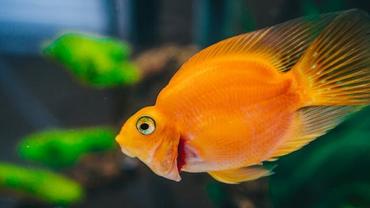
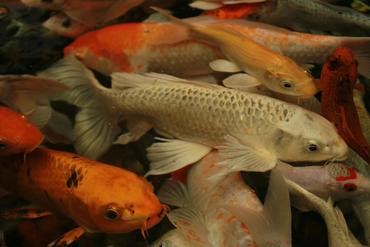
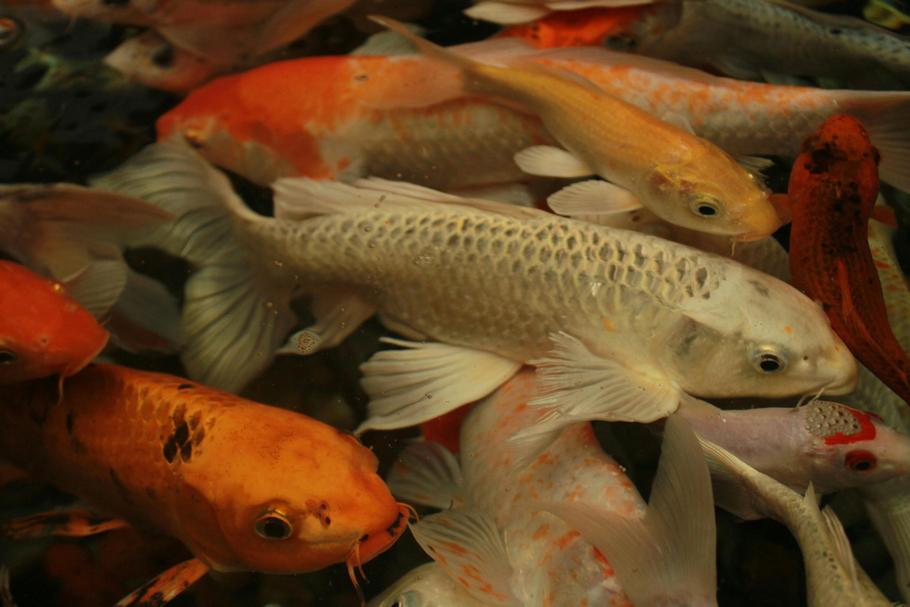
  • Youkihi (King of the Sun): A deep orange-red variety that resembles a miniature koi. They are incredibly hardy and provide a bold splash of color in planted tanks.
  • Lame (Sparkle): This refers to a genetic trait where individual scales reflect light like tiny diamonds. Lame can be found in various base colors, including black, white, and tricolor.
  • Orochi: A pure, velvet-black variety that is highly sought after. Unlike many "black" fish that look grey in bright light, high-quality Orochi remain jet black regardless of the environment.
  • Medaka Longfin: A more recent development where the fins are elongated and flowy, adding an elegant movement to the tank that resembles fancy goldfish.

One common mistake beginners make is mixing too many different strains in the same breeding colony. While they will certainly get along, the resulting offspring will often revert to a "wild type" brownish-grey color. To maintain the beauty of these specific morphs, most intermediate hobbyists keep "line-bred" colonies where only one variety is kept per container. This allows you to witness the fascinating genetics of the fish as each generation produces subtle variations on the parent stock.

Designing the Perfect Habitat: Indoor and Outdoor Setups

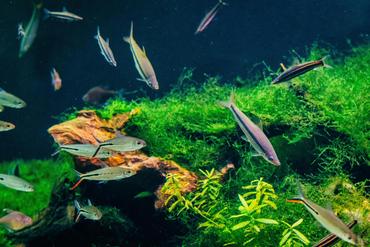
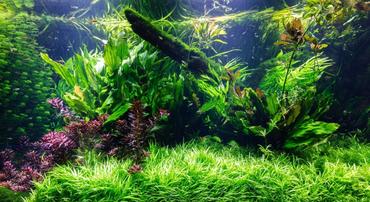
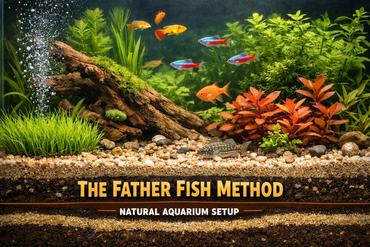
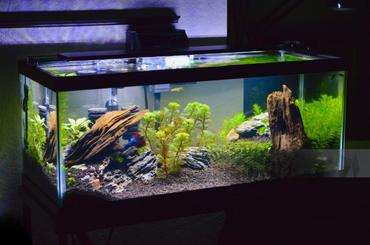
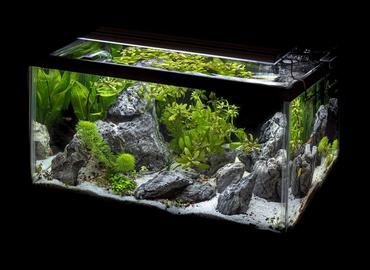
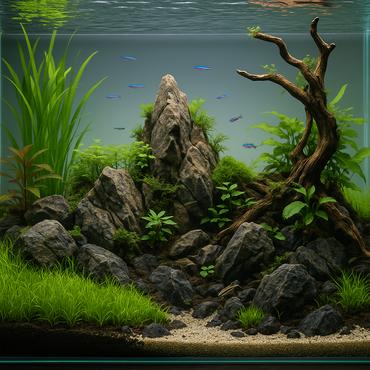
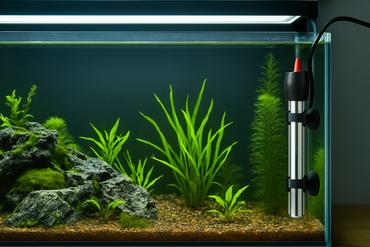
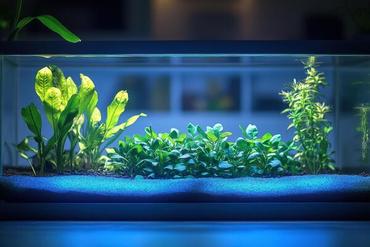
The beauty of Medaka is that they do not require a massive investment in high-tech equipment. In fact, they often do better in simpler environments that mimic their natural rice paddy habitats. For indoor enthusiasts, a 10-gallon tank is more than enough for a small colony of six to eight fish. Because they are active swimmers, providing some open space is important, but they truly shine when placed in a "natural" style setup. Following a Father Fish–style natural aquarium approach is often highly successful with Medaka, as the rich botanical life and micro-fauna provide both a healthy environment and supplemental food sources for the fish.

Outdoor setups, often called "Medaka tubs," are perhaps the most traditional way to enjoy these fish. These can be as simple as a heavy-duty plastic resin planter or a dedicated ceramic pot. The key to a successful outdoor tub is thermal mass and plant cover. A larger volume of water will resist rapid temperature changes, while floating plants like Water Lettuce or Frogbit provide shade and help keep the water clear by absorbing excess nutrients. The sunlight also does wonders for the fish's color, often making their iridescence much more pronounced than it would be under artificial indoor lighting.

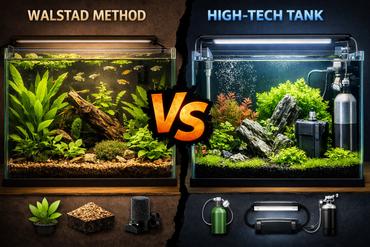
Filtration for Medaka should be gentle. In their natural habitat, they are not used to fighting strong currents. A simple sponge filter or even a heavily planted "Walstad" style tank with no mechanical filter can work beautifully. If you see your Medaka constantly struggling against a filter outlet, it will lead to stress and a weakened immune system. Aim for a calm, peaceful environment where they can glide effortlessly across the surface.

A Practical Guide to Care and Compatibility Considerations

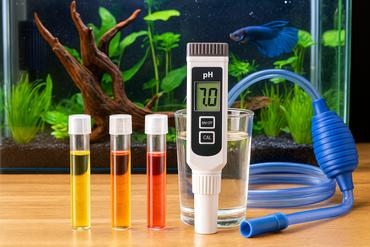
While Medaka are incredibly tough, they still require consistent care to truly thrive. Their water parameter requirements are broad, but stability is the goal. They prefer slightly alkaline water with a pH between 7.0 and 8.0, though they are known to adapt to slightly acidic conditions if acclimated slowly. For a detailed breakdown of how to manage these levels, you should consult a freshwater water parameter guide to ensure your nitrogen cycle is robust and your hardness levels are appropriate.

Compatibility is a common question for those moving from a species-only tank to a community setup. Medaka are exceptionally peaceful. They do not have a mean bone in their bodies and will not bother other fish. However, their small size (usually around 1.5 inches) makes them potential snacks for larger, more aggressive tank mates. Avoid keeping them with large Cichlids or predatory catfish. Instead, look toward other peaceful nano-species. Ideal tank mates include:

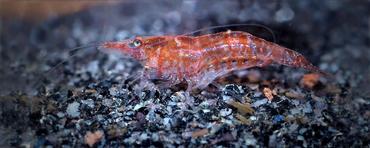
  • Neocaridina Shrimp (Cherry Shrimp): Medaka and shrimp are a match made in heaven. While a Medaka might occasionally snack on a tiny newborn shrimp, the adults are perfectly safe.
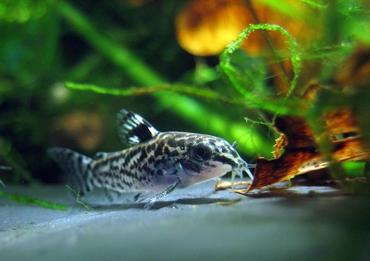
  • Small Corydoras: These bottom-dwellers stay out of the Medaka's way and help keep the substrate clean.
  • White Cloud Mountain Minnows: These share the same cool-water preferences as Medaka, making them perfect companions in an unheated setup.
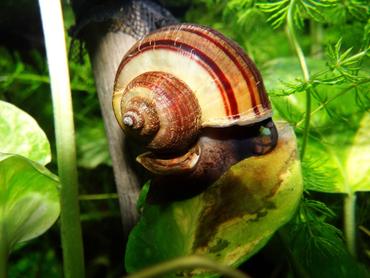
  • Snails: Nerite or Mystery snails are excellent for algae control without posing any threat to the fish.

One compatibility issue to watch out for is competition for food. Medaka are surface-oriented feeders. If you keep them with very fast-swimming mid-water feeders like certain Danios, the Medaka might struggle to get enough to eat. Using a floating feeding ring can help concentrate the food in one area, ensuring your Rice Fish get their fair share of high-quality flakes or small pellets. They also benefit greatly from live or frozen foods like daphnia and baby brine shrimp, which mimic the insects they would naturally hunt in the wild.

Mastering the Art of Medaka Breeding

If there is one thing that fuels the Medaka Fever more than anything else, it is how easy they are to breed. For many hobbyists, this is their first successful experience with "egg-hanging" fish. Unlike many species that scatter eggs or hide them in caves, female Medaka will carry a cluster of eggs attached to their vent for several hours after spawning. During this window, she will swim around looking for a suitable place to deposit them—usually a clump of fine-leafed plants or a specialized "spawning mop."

To maximize your fry survival rate, the most common technique is to remove the spawning mop once it is covered in eggs and place it in a separate small container of water. This prevents the adult fish from eating the eggs or the newly hatched fry. The eggs usually hatch in 7 to 10 days, depending on the temperature. Once they hatch, the "fry" are incredibly small and require specialized food such as "powder" fry food or infusoria. Within a week, they are usually large enough to handle crushed flakes or freshly hatched brine shrimp.

A frequent beginner mistake in breeding Medaka is neglecting water quality in the fry tubs. Because these containers are often small and lack filtration, waste can build up quickly. Small, daily water changes using water from the "parent" tank are the best way to keep the fry healthy. As the young fish grow, you will start to see their colors and "lame" sparkle develop, which is arguably the most rewarding part of the entire hobby. This cycle of life is addictive, and before you know it, one tank has turned into five, and you are officially a victim of the Medaka Fever.

Final Takeaways: Is the Medaka Fever for You?

The Medaka is more than just a fish; it is a gateway to a different style of fishkeeping that emphasizes hardiness, natural beauty, and the joy of breeding. Whether you are limited by space and want a stunning nano-aquarium on your desk, or you have a backyard and want to create a miniature ecosystem in a ceramic pot, the Japanese Rice Fish is an ideal candidate. They offer the complexity of high-end genetics with the simplicity of cold-water care, making them accessible to everyone regardless of their experience level.

To succeed with Medaka, remember to focus on the following core principles:

  • Choose a variety that suits your viewing style (top-down vs. side-view).
  • Keep the water flow gentle to mimic their natural habitat.
  • Provide plenty of fine-leafed plants or spawning mops if you intend to breed them.
  • Maintain stable water parameters and avoid overstocking small containers.
  • Start with high-quality stock from a reputable breeder to ensure vibrant colors.

If you are ready to start your journey, the next step is to prepare your environment. Research the different strains, decide between an indoor or outdoor setup, and join the growing community of enthusiasts who have discovered the quiet, sparkling joy of these remarkable fish. The Medaka Fever is here to stay, and there has never been a better time to dive in and see what all the excitement is about.
MOST RECENT ARTICLES

Managing "Old Tank Syndrome": Rejuvenating Long-Term Established Systems
MANAGING "OLD TANK SYNDROME": REJUVENATING LONG-TERM ESTABLISHED SYSTEMS
As your aquarium matures, it’s natural to feel a sense of pride watching your aquatic ecosystem grow and thrive.
Aquarium Photography: Pro Tips for Capturing the Perfect Tank Shot
AQUARIUM PHOTOGRAPHY: PRO TIPS FOR CAPTURING THE PERFECT TANK SHOT
Capturing your aquarium in all its vibrant glory is a goal many aquarium hobbyists strive for.
The Ethics of Captive Breeding: Supporting Sustainable Mariculture
THE ETHICS OF CAPTIVE BREEDING: SUPPORTING SUSTAINABLE MARICULTURE
As aquarium hobbyists, we share a passion for the underwater world.

Rate This Tank:

GENERAL AQUARIUM ARTICLES
Small But Mighty: A Guide to Keeping the Everglades Pygmy Sunfish (Elassoma evergladei)
Deep within the slow-moving blackwater swamps and densely vegetated ditches of the Southeastern United States dwells a tiny titan that has captured the hearts of nano-aquarium enthusiasts worldwide: the Everglades Pygmy Sunfish (Elassoma evergladei).
The Therapeutic Tank: How Fishkeeping Helps Manage ADHD, Anxiety, and Sensory Processing Disorders
For many aquarium enthusiasts, the hobby begins with the simple desire to bring a piece of the natural world indoors, yet they quickly discover that the rhythmic swaying of aquatic plants and the gentle glide of fish offer much more than aesthetic appeal.
The Zen of Aquascaping: Using Iwagumi Principles for Mindfulness and Stress Relief
In the modern world, the constant noise of digital notifications and the fast-paced demands of daily life often leave us searching for a sanctuary where we can reclaim a sense of peace.
Top Fish for Community Tanks
Creating a thriving community aquarium is one of the most rewarding experiences in the fish-keeping hobby, offering a dynamic window into a complex underwater ecosystem.
Top 10 Beginner-Friendly Freshwater Fish (Ranked by Ease of Care)
Diving into the world of freshwater aquariums is an exhilarating journey, but for many beginners, the initial excitement is often met with the daunting challenge of keeping their new aquatic residents alive and thriving.
Father Fish–Style Natural Aquariums: What Beginners Should Know
Natural aquariums are often described as “set it and forget it,” but the truth is calmer and more practical: you trade constant cleaning for thoughtful setup, steady habits, and time.
Betta Fish in a Planted Tank: Setup, Care & Mistakes to Avoid
The Betta fish, with its cascading fins and kaleidoscopic colors, has long been the victim of the "bowl" myth, but modern aquarists are finally recognizing that these intelligent, labyrinth-breathing creatures truly flourish when placed in a living, breathing ecosystem.
Aquarium Hardscape Guide: Dragon Stone, Seiryu, Spider Wood & More.
Creating a captivating underwater landscape is about more than just choosing the right fish; it is about building a foundation that mimics the natural world.
Driftwood in Aquariums: Benefits, Types, and How to Prepare It Safely
Adding a piece of driftwood to your aquarium is one of the most transformative decisions you can make as a hobbyist, shifting your tank from a simple glass box to a vibrant, living slice of nature.
Blackwater Aquariums: How Tannins Improve Fish Health and Reduce Stress
The mysterious, tea-colored depths of a blackwater aquarium may look "dirty" to the uninitiated, but for many tropical fish species, these tannin-rich environments are a slice of paradise.
Top 10 Nano Predators (and How to Keep Them Peacefully)
The allure of the predatory fish has long been a driving force in the aquarium hobby, drawing enthusiasts toward the raw, primal energy of nature's most efficient hunters.
Best Fish for a 10-Gallon Tank with Plants: Top Choices for a Thriving Nano Aquarium
Starting a 10-gallon aquarium is one of the most exciting entries into the fish-keeping hobby, offering a perfect balance between a manageable footprint and enough space to create a stunning underwater garden.
Beginner Aquarium Mistakes That Kill Fish in the First 30 Days
The first 30 days of owning an aquarium are often referred to as the "danger zone" for both the hobbyist and the fish.
What Are GloFish and How Do You Care for Them?
Bright, glowing fish that look like they belong in a science fiction movie have become a familiar sight in modern aquariums.
Community Fish Compatibility Guide
Creating a thriving community aquarium is one of the most rewarding aspects of the fish-keeping hobby, but it requires much more than simply picking out the most colorful fish at the local pet store.
CO2 for Planted Aquariums: A Beginner’s Guide to Healthier, Faster Growth
While many aquarium hobbyists start their journey with low-light plants like Anubias or Java Fern, they often find themselves wondering why their tanks do not look like the lush, vibrant underwater jungles seen in professional aquascaping competitions.
Best Fish for a 10 Gallon Tank with Plants
Setting up a 10-gallon planted aquarium is one of the most rewarding projects a hobbyist can undertake, offering a perfect slice of nature that fits comfortably on a desk or side table.
Creative hacks to keep your aquarium clean
Let’s be honest: while we all love the tranquil beauty of a thriving underwater ecosystem, very few of us actually enjoy the back-breaking labor of scrubbing algae at 10:00 PM on a Sunday.
How to Build an Automatic Fish Feeder
Every aquarium hobbyist knows the subtle anxiety that creeps in the moment you lock your front door for a weekend getaway or a well-deserved vacation.
Emergency Power Outages: How to Protect Your Aquarium
Few things strike fear into the heart of an aquarium hobbyist like a sudden power outage.
Tips for Spotting Signs of Distress in Your Fish Before It's Too Late
When you see signs of stress in your fish, you can then take steps to identify the source of that stress and then to resolve it before it becomes a major issue.
How to Keep Your Tank Safe During a Power Outage
A power outage is every aquarium hobbyist’s worst nightmare, often striking at the most inconvenient times—during a summer thunderstorm or a winter blizzard.
Sustainable & Ethical Fishkeeping
Bringing a slice of the underwater world into your home is a rewarding experience, but as the hobby grows, so does our responsibility to ensure that our passion doesn’t come at the expense of the environments we admire.
Beginner-Friendly Oddball Fish: Unique Species That Work in Small Tanks
Want something cooler than guppies and tetras in your small aquarium, but not ready for ultra-demanding species?
Low-Light Aquarium Plants for Beginners
The transition from a basic fish tank to a lush, living underwater garden is often the most rewarding milestone for any aquarium enthusiast.
Best Fish for a 10-Gallon Tank with Plants: A Complete Guide for Beginners
Starting a 10-gallon aquarium is one of the most exciting entry points into the fish-keeping hobby, offering a perfect balance between a manageable footprint and enough space to create a thriving underwater ecosystem.
Quarantine Tanks Explained: Why Most Fish Loss Happens in the First 30 Days
The first month after you bring home new fish is when most preventable losses happen—often because the fish are stressed, carrying hidden parasites, or placed into a tank that isn’t ready for them.
Why Your Aquarium Lighting Matters More Than You Think
For many new hobbyists, setting up an aquarium feels like a balancing act between water chemistry, filtration, and choosing the right fish.
Brackish Aquariums for Beginners: Reliable Setups, Stocking, and Salinity Tips
The world of fishkeeping is often divided into two clear-cut camps: freshwater and saltwater.
Why Keep Aquarium Fish?
There is something inherently hypnotic about the slow, rhythmic movement of a well-maintained aquarium.
Cherry Shrimp Care for Beginners: Tank Setup, Water, and Breeding Tips
Cherry shrimp (Neocaridina davidi) have revolutionized the freshwater aquarium hobby, transforming the way enthusiasts view small-scale ecosystems.
The Benefits of Having a Nano Aquarium and Tips for Setting One Up
If you're fascinated by the beauty of aquatic life but think a full-sized aquarium might be too overwhelming, a nano aquarium could be the perfect solution.
AI and Smart Technology in Aquariums: The Future of Fishkeeping
Technology is transforming the aquarium hobby faster than ever before.
Aquarium Science Myths: 10 Outdated Fishkeeping Rules You Should Stop Following
The world of fishkeeping has evolved dramatically over the last few decades, moving away from anecdotal "old wives' tales" toward a more rigorous, science-based approach to aquatic husbandry.
Aquascaping Tips to Reduce Aggression in Fish
Walking into a room and seeing a beautifully scaped aquarium is supposed to be a Zen experience, but for many hobbyists, that peace is shattered by the sight of a dominant fish relentlessly chasing its tank mates.
3 Problems Every Aquarist Can Avoid
The transition from admiring a beautiful aquarium to successfully maintaining one is often marked by a series of "ah-ha" moments and, unfortunately, a few heartbreaks.
Do You Know What You Are Feeding Your Fish?
Walking down the aquarium aisle of a local pet store can be a dizzying experience.
What Is Driftwood Doing in Your Tank?
Adding a piece of driftwood to your aquarium is one of the most effective ways to transform a sterile glass box into a thriving, natural ecosystem.
What You Need to Know About All-in-One Aquariums
For many aspiring aquarists, the sheer volume of equipment required to start a successful tank—sumps, plumbing, external filters, and lighting—can feel overwhelming.
Aquarium Water Changes: How Often and How Much?
Maintaining a thriving aquarium is often described as a balancing act, and no single task is more critical to that balance than the routine water change.
Aquarium Water Chemistry Made Simple: pH, Hardness, and Healthy Fishkeeping
Walking into a local fish store and seeing a vibrant display of neon tetras or majestic angelfish is enough to make anyone want to dive headfirst into the aquarium hobby.
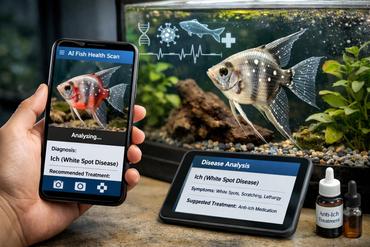
Beyond the Naked Eye: Using AI and Vision Apps to Diagnose Fish Diseases Early
Every aquarium hobbyist knows the sinking feeling of approaching their tank in the morning only to see a prized Neon Tetra shimmying awkwardly or a Goldfish sporting a single, ominous white speck on its fin.
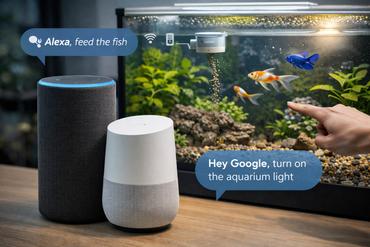
Voice-Controlled Aquariums: Integrating Your Tank with Alexa and Google Home
The modern aquarium hobby is undergoing a digital transformation that goes far beyond high-tech filters and LED lighting.
Fish Compatibility Checker: How to Build Peaceful Freshwater and Saltwater Communities
Starting a new aquarium is one of the most exciting moments in the hobby, but nothing halts that enthusiasm faster than waking up to find a once-vibrant community decimated by aggression or stress.
Aquarium Temperature Guide: What’s Best for Your Fish?
Maintaining the perfect environment for your aquatic pets is a delicate balancing act, and temperature is arguably the most critical variable in the equation.
Simple Tips for Building a Saltwater Tank Without Breaking the Bank
The allure of a saltwater aquarium is undeniable—the vibrant colors of a Coral Beauty Angelfish, the rhythmic pulsing of Xenia corals, and the fascinating symbiotic relationship between a Clownfish and its anemone are enough to captivate any nature lover.
Aquascaping for Beginners: Designing a Natural Underwater Landscape
Aquascaping is the transformative art of arranging aquatic plants, stones, driftwood, and substrate in a way that transcends the traditional fish tank, turning a glass box into a living, breathing underwater masterpiece.
Blackwater & Biotope Aquariums (Natural-Style Boom)
For decades, the gold standard of the home aquarium was a pristine, crystal-clear box of water, often decorated with neon gravel and plastic plants that bore little resemblance to the wild.
How to Buy Aquarium Supplies Online
The transition from browsing the aisles of a local pet store to navigating the vast digital landscape of online aquarium retailers marks a significant milestone for any hobbyist looking to expand their aquatic horizons.
Overstocking Myths vs Reality
Setting up a new aquarium is an exercise in restraint that many hobbyists, both beginners and seasoned veterans, find difficult to master.
History Of Fish Keeping As A Hobby
Fish keeping is one of the world’s oldest and most enduring hobbies, blending art, science, and a deep fascination with aquatic life.
Is My Fish Stressed? A 10-Minute Checklist to Prevent Emergencies
Walking into a room and seeing your fish acting unusual can be a heart-sinking experience for any hobbyist.
How to Fix Cloudy Water Fast (White, Green & Yellow Water Explained)
There is perhaps no greater disappointment for an aquarium enthusiast than approaching a carefully curated tank only to find the view obscured by a thick, mysterious haze.
Our Guide to How Often to Feed Aquarium Fish
One of the most common questions every aquarist asks—from the first-time Goldfish owner to the seasoned reef enthusiast—is exactly how often those hungry mouths should be fed.
The Right and Wrong Way to Catch Fish
There is perhaps no moment more stressful for both an aquarist and their aquatic residents than the sight of a blue mesh net dipping into the water.
Spring Cleaning: How to Clean and Give Your Old Tank New Life
Keeping your tank clean is about more than just aesthetics - it also affects your fish.
Smart Planted Tanks: Budget Automation for Lighting, CO₂, and Safety
Maintaining a lush, vibrant planted aquarium often feels like a balancing act between a rewarding hobby and a full-time job.
Eco-Friendly Aquarium Guide: Energy-Saving Gear and Responsible Stocking
The aquarium hobby offers a unique window into the wonders of the aquatic world, but as any seasoned hobbyist knows, maintaining a slice of the ocean or a tropical river in your living room requires a significant amount of resources.
Do You Need CO₂? Three Proven Paths to a Healthy Planted Tank
The lush, vibrant landscape of a masterfully scaped planted aquarium is often what draws newcomers into the hobby, but it is also the source of the most common question: do I really need a CO2 system to achieve this?
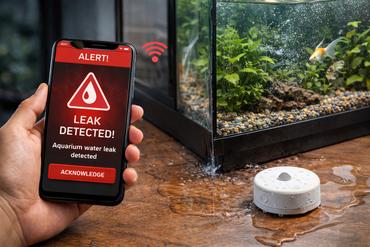
The Rise of Smart Leak Detection: Protecting Your Home from Aquarium Disasters
There is no sound more terrifying to an aquarium hobbyist than the slow, steady drip of water hitting a hardwood floor in the middle of the night.
Fishless Cycling vs Fish-In Cycling: Which Method Is Best for Your Aquarium?
Setting up a new aquarium is one of the most exciting moments in the fishkeeping hobby—but it’s also where most beginners unintentionally make mistakes that lead to stressed fish, disease outbreaks, or early losses.
How Cycling the Tank Can Stress Your Fish
Setting up a new aquarium is one of the most exciting moments in the fishkeeping hobby, but it’s also where many beginners unknowingly create stressful — and sometimes deadly — conditions for their fish.
Early Disease Identifications in the Tank
Maintaining a thriving aquarium is a rewarding journey, but even the most diligent hobbyist will eventually face the challenge of a sick fish.
Aquarium Fish Medications - Do or Don't?
Learn about how aquarium fish medications work and what diseases they may be used for.
Managing "Old Tank Syndrome": Rejuvenating Long-Term Established Systems
As your aquarium matures, it’s natural to feel a sense of pride watching your aquatic ecosystem grow and thrive.
Aquarium Photography: Pro Tips for Capturing the Perfect Tank Shot
Capturing your aquarium in all its vibrant glory is a goal many aquarium hobbyists strive for.
The Ethics of Captive Breeding: Supporting Sustainable Mariculture
As aquarium hobbyists, we share a passion for the underwater world.
The Psychology of Fishkeeping: How Visual Rhythms in Aquascaping Reduce Human Stress
Fishkeeping is often seen as a relaxing hobby, but it offers far more than simply a means to pass the time.
Test Article page 123
Testing of a article page.
Read more articles (71)

READ AQUARIUM ARTICLES