FRESHWATER PIPEFISH: THE CHALLENGE OF KEEPING THE SEA HORSE’S COUSIN
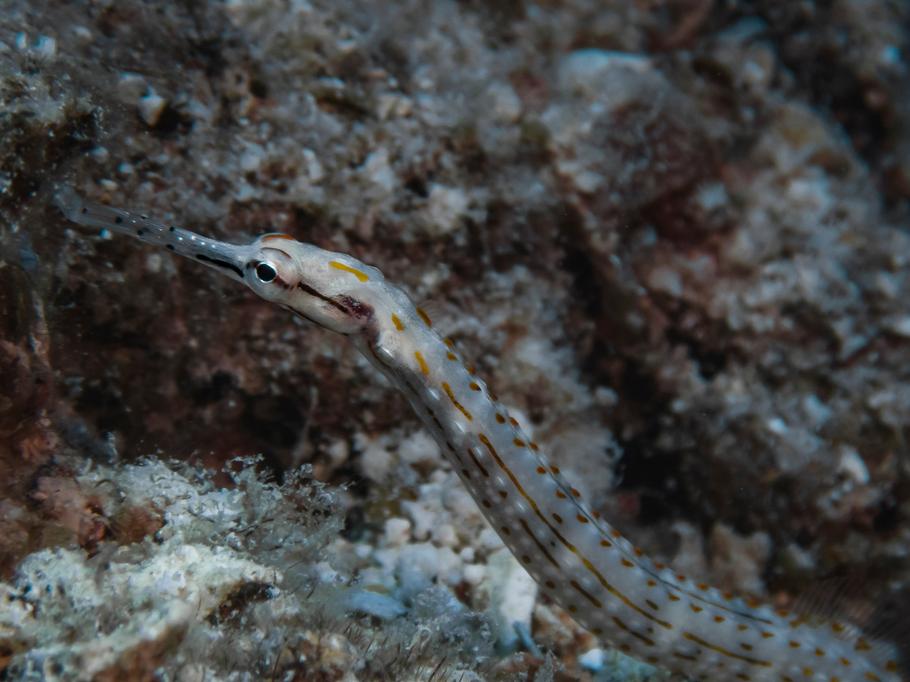
Meeting the Freshwater Pipefish: More Than Just a Sea Horse Cousin
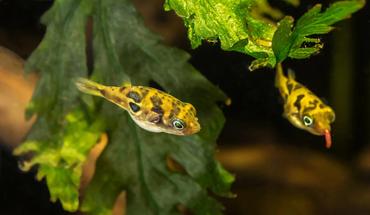
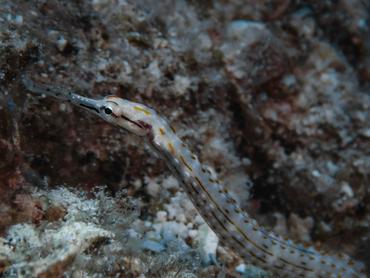
The freshwater pipefish is a member of the family Syngnathidae, a group characterized by their elongated snouts, fused jaws, and lack of pelvic fins. Unlike many common aquarium fish that dart through the water with rhythmic tail beats, pipefish move with a subtle, hovering grace, propelled by tiny, rapidly vibrating dorsal fins. Their bodies are encased in a series of bony plates rather than scales, giving them a rigid, armor-like appearance that is both beautiful and functional in the wild, where they blend seamlessly into reeds and aquatic grasses.
One of the most remarkable aspects of pipefish biology is their method of reproduction. Much like seahorses, it is the male who carries the eggs. Depending on the species, the female deposits her eggs into a brood pouch or onto a specialized patch on the male’s underside. The male then fertilizes and carries the developing young until they are ready to emerge as fully formed miniature pipefish. This unique role reversal is a highlight for many advanced hobbyists, though successfully raising the fry in a home environment is a feat in itself.
While they are stunning to look at, it is important to realize that pipefish are "sit-and-wait" predators. In their natural habitats—ranging from the slow-moving rivers of Southeast Asia to the coastal streams of Africa—they spend much of their time anchored to vegetation, waiting for tiny crustaceans to drift within reach of their vacuum-like snouts. This sedentary lifestyle defines their needs in the aquarium: they require stability, low competition, and a constant supply of microscopic prey. Understanding this biological foundation is the first step in moving beyond the "beginner" label and mastering the secret to keeping seahorses and their pipefish relatives.
Popular Freshwater Pipefish Species for Your Aquarium
Not all pipefish are created equal when it comes to aquarium suitability. While there are over 200 species in the Syngnathidae family, only a handful have successfully transitioned into the freshwater trade. Choosing the right species depends on your tank size and your ability to source specific live foods. Here are the most common species encountered by hobbyists:
- Long-Snouted Pipefish (Doryichthys martensii): One of the most popular choices, these fish can grow up to 6 inches and are known for their distinctively long, needle-like snouts. They are relatively hardy if their feeding needs are met.
- African Freshwater Pipefish (Enneacampus ansorgii): Often considered the best "beginner" pipefish, this species is smaller (around 3-4 inches) and tends to be slightly more adaptable to different water parameters than its Asian counterparts.
- Banded Pipefish (Microphis lineatus): Found in the Americas, these are often found in brackish water but can be acclimated to pure freshwater. They are larger and require more swimming space.
- Rainbow Pipefish (Microphis deocata): Known for the stunning iridescent colors the females display during courtship, this species is a holy grail for many collectors but requires meticulous care.
When selecting your fish, always ask the supplier if they are captive-bred or wild-caught. Wild-caught specimens are significantly more difficult to "train" onto frozen foods and may arrive with internal parasites. Whenever possible, seek out captive-bred individuals, as they are already accustomed to aquarium life and generally have a higher survival rate.
The Challenge of Feeding: Why Pipefish Aren't for Everyone
If there is one hurdle that causes most hobbyists to fail with pipefish, it is feeding. Unlike tetras or guppies that will eagerly accept flakes or pellets, pipefish have a very specialized digestive system. They lack a true stomach, meaning food passes through them quickly and they need to eat small amounts frequently throughout the day. In the wild, they are constantly "snicking" (the sound their snouts make when they suck in prey) at tiny copepods and larvae.
Most freshwater pipefish will only eat live food, especially when first introduced to a tank. This means you must be prepared to culture your own food sources or have a reliable local supplier. Common food items include:
- Freshly hatched baby brine shrimp (Artemia nauplii)
- Moina or Daphnia
- Copepods and Amphipods
- Small bloodworms or tubifex (though these should be fed sparingly)
- Micro-worms or vinegar eels for smaller species
One common beginner mistake is assuming that a "well-established" tank will have enough natural micro-fauna to sustain a pipefish indefinitely. While a mature tank helps, a single pipefish can quickly decimate a population of copepods. You must actively supplement their diet. Some keepers have success transitioning their pipefish to frozen cyclops or finely chopped mysis shrimp, but this takes time and patience. To understand the logistical demands of this, it is helpful to weigh the pros and cons of live food for fish before committing to this species.
Designing the Ideal Pipefish Habitat: Flow, Flora, and Filtration
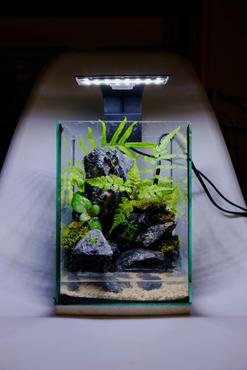
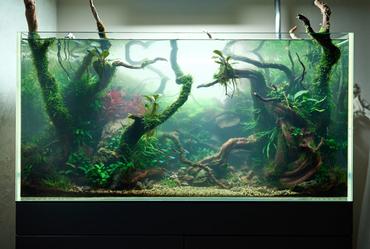
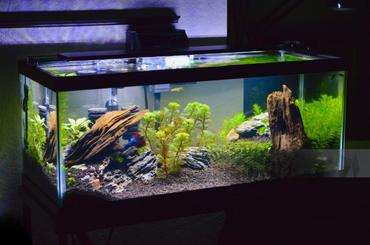
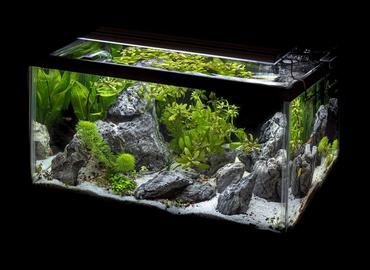
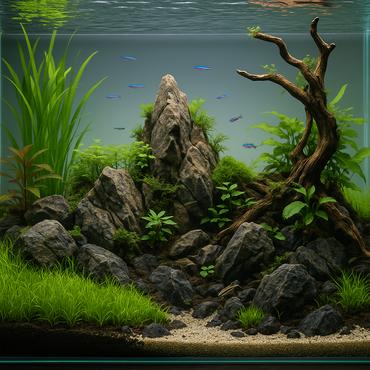
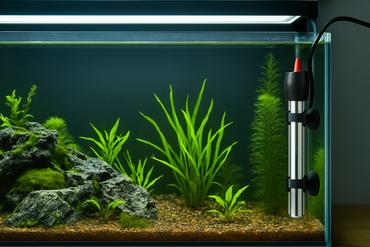
The environment you create for your pipefish will dictate their stress levels and overall health. Because they are not strong swimmers, they should never be placed in a high-flow environment. In a standard "high-tech" planted tank with powerful canisters, a pipefish will spend all its energy just trying to stay in one place, leading to exhaustion and a weakened immune system. Instead, aim for a gentle, rolling flow that mimics a slow-moving stream or pond edge.
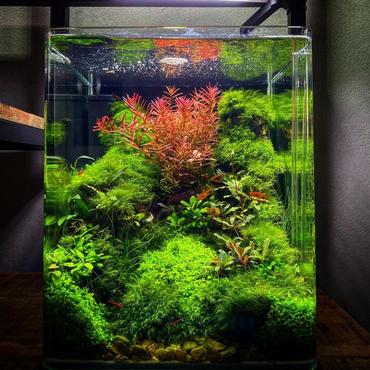
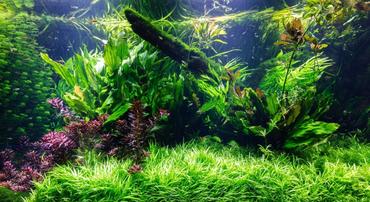
Vegetation is non-negotiable. Pipefish use plants for two primary reasons: security and hunting. They love to wrap their tails around thin stems or hide among the fronds of fine-leaved plants. Java Moss, Hornwort, and various species of Cryptocoryne are excellent choices. Not only do these plants provide cover, but they also act as breeding grounds for the tiny microorganisms the pipefish love to eat. Floating plants like Frogbit can also help diffuse light, creating a more natural, shaded environment that makes the pipefish feel secure.
Regarding filtration, use a sponge filter or a pre-filter intake sponge on your power filter. Pipefish are thin and fragile; they can easily be sucked into a filter intake, which is almost always fatal. Furthermore, sponge filters provide additional surface area for micro-fauna to grow, essentially turning your filter into a small "snack bar" for your fish. While we often focus on heavy-duty systems, choosing the right filtration system for your aquarium when keeping delicate species often means prioritizing safety and biological stability over raw GPH (gallons per hour).
Compatibility and Care: Choosing the Right Tank Mates
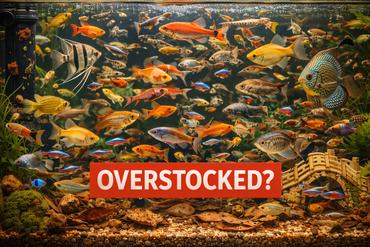
Because of their specialized feeding habits and timid nature, pipefish are best kept in a species-only tank or with very carefully selected companions. In a typical community tank, more active fish like danios or barbs will eat all the food before it even reaches the pipefish’s vicinity. Even "peaceful" fish can be a problem if they are aggressive feeders. If you are determined to keep them in a mixed environment, you must choose tank mates that are equally slow and non-competitive.
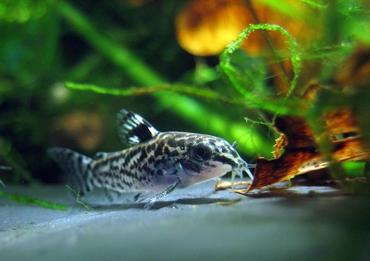
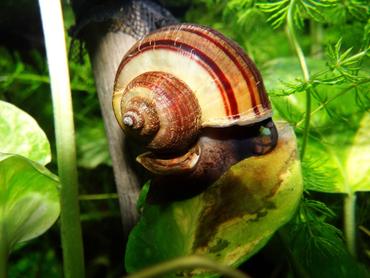
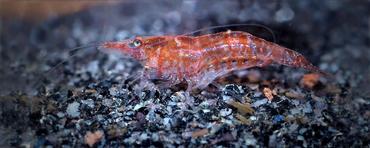
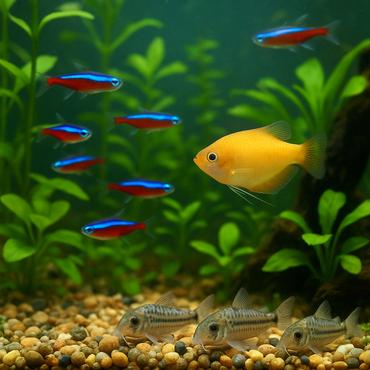
Ideal tank mates include small, peaceful bottom-dwellers like Corydoras or Otocinclus, which won't compete for the same mid-water food. Freshwater shrimp (like Cherry or Crystal shrimp) can also be excellent companions, though be aware that pipefish may snack on the tiniest shrimplets. Avoid any fish that might nip at the pipefish's delicate fins or those that require high water flow. Large snails are also safe, but ensure they don't out-compete the pipefish for space in smaller setups.
The most common care mistake is neglecting water quality. Because you are frequently adding live or frozen foods to the tank, ammonia and nitrate levels can spike quickly. Pipefish are extremely sensitive to poor water conditions. A rigorous maintenance schedule is required, including weekly 20-30% water changes and regular testing to ensure nitrates stay below 10-15 ppm. If you notice your pipefish hanging near the surface or losing interest in food, the first thing you should check is your water chemistry.
Health and Longevity: Mastering Water Quality and Disease Prevention
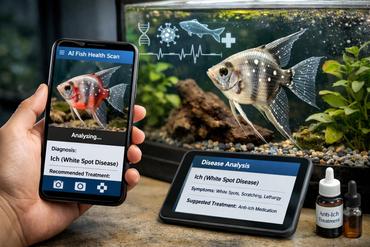
Freshwater pipefish can live for several years if their environment is stable, but they are prone to certain ailments. The most common issues are bacterial infections and internal parasites. Because many pipefish are wild-caught, they often carry parasites that can flare up under the stress of shipping and acclimation. A quarantine period of at least four weeks is essential before introducing new pipefish to an established system. During this time, observe them closely for any signs of "wasting," where the fish eats but continues to lose weight—a classic sign of internal worms.
Another common issue is "snout rot," a bacterial infection that affects their delicate mouthparts. This is usually caused by poor substrate hygiene or injury from sharp tank decor. Keep the substrate clean and avoid using sharp rocks or plastic plants that could scratch their skin. If a pipefish stops eating because of a snout injury, it is very difficult to save, so prevention is truly the best medicine. Maintain a consistent temperature (usually between 74-78°F) and a slightly alkaline pH (7.0 to 7.8) to keep their immune systems strong.
Finally, pay attention to their behavior. A healthy pipefish is curious and constantly scanning its environment for food. If you see one hovering listlessly in a corner or displaying faded colors, it is a signal that something in the tank—be it the flow, the tank mates, or the water quality—needs immediate adjustment. Success with pipefish isn't about following a rigid set of rules; it's about developing the "eye" of a naturalist and responding to the subtle cues your fish provide.
Takeaway: Is the Freshwater Pipefish Right for You?
The freshwater pipefish is undeniably a "specialty" fish. It requires a level of dedication that goes beyond the standard weekly water change and daily pinch of flakes. However, for the hobbyist willing to culture live foods and design a serene, low-flow sanctuary, the reward is a front-row seat to one of nature’s most unique evolutionary paths. These fish offer a sense of grace and prehistoric wonder that few other species can match. If you are ready to graduate from standard community tanks and want a project that will truly test your skills, the pipefish is a magnificent choice.
To ensure your success, start by mastering the basics of live food cultures and ensuring your tank is fully cycled and matured. Research your specific species thoroughly and be prepared for the learning curve. If you found this guide helpful and are looking for more ways to expand your aquatic expertise, consider reading our articles on top fish for community tanks to see how your other favorite species might fit into your long-term aquarium goals. Happy fishkeeping!
MOST RECENT ARTICLES