Breeding Silver Dollar fish (Metynnis spp.) is one of those adventures in the aquarium hobby that can feel both rewarding and intimidating, especially for beginners. These round, shimmering South American characins are beloved for their peaceful nature and striking appearance, but coaxing them into reproducing consistently requires the right setup, nutrition, timing, and care. In this comprehensive guide, we’ll walk you step-by-step through the tips and tricks every hobbyist needs to successfully breed Silver Dollars at home—from creating the perfect breeding tank to raising healthy fry—with practical advice that even a first-time breeder can follow with confidence.
Understanding Silver Dollar Fish and Their Breeding Behavior
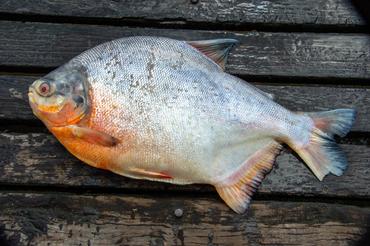
Before jumping into setups and schedules, it’s important to understand a bit about Silver Dollar biology and behavior. Contrary to what their name suggests, Silver Dollars aren’t goldfish—they’re South American fish in the Characidae family, closely related to pacus and piranhas. Multiple species fall under the Silver Dollar umbrella, including Metynnis argenteus, Metynnis hypsauchen, and Metynnis maculatus. While similar in general care, subtle differences in size, temperament, and breeding readiness can vary.
Silver Dollars reach sexual maturity around 1 to 2 years of age, often larger than 4 inches. They exhibit schooling behavior and prefer softer, slightly acidic water conditions similar to their native Amazon basin streams. Breeding in the wild is tied to seasonal changes—particularly rainfall and temperature shifts that trigger spawning behavior. In captivity, our challenge is to recreate those conditions artificially.
Breeding Silver Dollars is considered moderately difficult in the aquarium hobby. While not as finicky as some South American species like angelfish or discus, they do require stable water chemistry, ample space, and carefully timed environmental cues. Many beginner mistakes relate to insufficient tank size or failing to simulate seasonal changes, so we’ll focus on how to avoid those pitfalls.
Setting Up the Ideal Breeding Tank
Good breeding success starts with the right environment. Silver Dollars are active swimmers and schoolers, so adequate tank space and proper layout matter more than just decoration. Here’s how to design a breeding setup that encourages spawning and supports both parents and future fry.
Tank Size and Layout
Silver Dollars are fast growers and need room to swim. A breeding tank should be at least 55 gallons for a small school of adults (6–8 fish). If you plan to house more fish or larger individuals, scale up accordingly.
Minimum size: 55 gallons
Preferred size: 75+ gallons for larger groups
Shape: Long tanks provide more swimming space than tall tanks
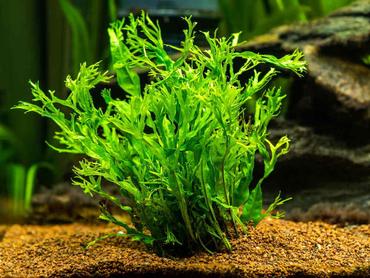
Include open swimming areas with subdued lighting and some planted sections—but don’t go overboard. Silver Dollars are herbivorous and may nibble or uproot delicate plants. Choose hardy species such as Java fern, Anubias, or Amazon swords anchored securely in heavier substrates or on décor.
Water Quality Essentials
Stable, clean water is crucial. Silver Dollars prefer soft to moderately hard water with slightly acidic to neutral pH (ideally 6.5–7.0). Regular water changes and good filtration are non-negotiable.
Temperature: 75–82°F (24–28°C)
pH: 6.5–7.0
Hardness: 4–12 dGH
Filtration: Moderate flow with biological filtration
Many breeders use a sponge filter because it provides gentle filtration without risking fry being sucked into the intake, and it promotes beneficial bacterial growth. If using a hang-on-back or canister filter, add pre-filter sponge covers to protect fry once eggs hatch.
Decor and Breeding Cues
In their natural habitat, Silver Dollars spawn among submerged vegetation and over open substrates. To simulate this:
Scatter flat stones or slate to mimic natural surfaces
Add soft-leaved plants or synthetic spawning mops for eggs to adhere to
Provide dim lighting or floating plants to reduce stress
Breeders often introduce seasonal changes, such as gradual reductions in water temperature and slight increases in water flow, to mimic rain cycles. This can help stimulate spawning behavior. Slowly raising the temperature a few degrees over a week and performing a sizeable water change can act as a “rainy season cue,” encouraging Silver Dollars to breed.
Feeding and Conditioning for Spawning Success
Nutrition plays a huge role in healthy breeding. Silver Dollars are primarily herbivores and should not be fed exclusively meaty foods. Quality nutrition improves condition, encourages spawning, and ensures healthy fry. This is also where many beginners make mistakes—overfeeding poor-quality flakes or neglecting variety.
Optimal Diet for Breeding Adults
A balanced diet with emphasis on plant matter and supplemental protein is ideal when conditioning for spawning. Consider the following feeding protocol:
Vegetable-based flakes or pellets: High-quality staple
Blanched vegetables: Spinach, zucchini, peas
Live or frozen foods: Daphnia, brine shrimp, bloodworms (sparingly)
Algae wafers: Occasional supplement
Feed small amounts multiple times per day rather than one large feeding. Remove uneaten food after a few minutes to maintain water quality.
Timing and Conditioning Schedule
Most Silver Dollar breeders recommend a consistent, high-quality feeding regimen for 2–4 weeks before attempting to spawn. This helps adults reach peak condition. You might also slightly reduce feeding quantities a few days before simulating rain-cycle changes, as this mimics natural environmental triggers that encourage spawning in the wild.
Triggering Spawning and Mating Behavior
With the breeding tank set and fish conditioned, your next step is to encourage actual spawning. Silver Dollars are egg scatterers—they don’t build nests or protect their young, so understanding their instinctual triggers helps in maximizing success rates.
Environmental Triggers
In the wild, spawning is often linked to the start of the rainy season, when water chemistry subtly shifts and food becomes abundant. To mimic this in your tank:
Perform a 25–50% water change with slightly cooler water initially
Gradually raise temperature over several days
Increase aeration and flow to simulate rain disturbance
Keep lighting subdued
These changes help lower stress and encourage natural spawning instincts. Patience is key—Silver Dollars may take several weeks in prime condition before showing interest in breeding.
Recognizing Spawning Behavior
Watch for these signs that your fish are ready to spawn:
Increased chasing or circling
Pair formation among a group
Flaring fins and nudging around plants or flat surfaces
Eggs appearing on plants or décor
When eggs are laid, parents will not guard them and may even eat them. This is why separating adults from eggs soon after spawning maximizes fry survival.
Eggs to Fry: Care and Rearing Strategies
Once eggs are laid, the real work begins—ensuring they develop successfully into healthy fry. Without appropriate intervention, eggs may be consumed by the adult Silver Dollars or succumb to fungal issues.
Separating Parents and Eggs
If you use a dedicated breeding tank, this process is easier. After observing spawning behavior and seeing eggs, carefully remove the adult fish to prevent predation. If you lack a separate breeding tank, breeding traps or slotted breeders can isolate adults while leaving eggs in the main water volume.
Managing and Protecting Eggs
Eggs are small and adhesive. They typically hatch in 3–5 days depending on temperature. During this period:
Maintain stable water conditions
Do daily small water changes (10–15%) to reduce waste buildup
Add antifungal agents if available to prevent fungus growth
Keep lighting gentle to minimize stress
Remove any unfertilized or fungus-covered eggs promptly. They appear opaque and white compared to clear, viable eggs.
Feeding and Caring for Fry
Once the fry hatch and become free-swimming, proper nutrition is critical. Fry are tiny and require appropriately sized food:
Infusoria: Great first food for newly free-swimming fry
Liquid fry food: Commercial options designed for small mouths
Baby brine shrimp: Excellent next step once fry grow larger
Crushed flakes or micro pellets: Introduce gradually as they grow
Feed small amounts 3–5 times per day while monitoring water quality. Frequent small feedings minimize waste and maintain stable water parameters—essential for healthy growth.
Compatibility and General Care Considerations
Breeding success is inseparable from overall care and compatibility. Even if you’ve mastered the technical steps of breeding, choosing the right tankmates and maintaining stable conditions will affect whether your efforts yield fry that survive to adulthood. Here’s what to keep in mind:
Compatible Tankmates
Silver Dollars are peaceful schoolers and can be stressed by fin-nippers or aggressive species. While breeding, this is even more crucial because stress can halt spawning entirely.
Good tankmates: Large tetras (e.g., Buenos Aires tetras), peaceful rasboras, Corydoras catfish, Plecos (larger species like Bristlenose), peaceful dwarf cichlids
Avoid: Tiger barbs, oscars, and any aggressive cichlids
Remember, during breeding and fry rearing, you may want to temporarily keep Silver Dollars in a species-only tank to avoid egg or fry predation.
Water Quality and Maintenance
Regular maintenance cannot be overstated. Strong filtration, consistent partial water changes, and regular testing for ammonia, nitrite, and nitrate are foundational to both breeding success and fish health. For beginners looking for guidance on tank maintenance, our article on Essential Aquarium Maintenance Tips offers practical routines and checklists to keep your setup in top condition.
Additional care tips include:
Quarantine new fish to prevent disease introduction
Avoid overstocking to reduce stress and maintain water quality
Feed varied, high-quality diets to support immune health
Common Mistakes to Avoid
Even experienced hobbyists slip up. Watch out for these common breeding mistakes:
Insufficient tank size: Crowded conditions inhibit schooling and breeding behavior
Ignoring water stability: Sudden parameter swings stress fish and discourage spawning
Overfeeding: Leads to poor water quality and health issues
Neglecting fry care: Not separating adults or providing proper fry food
Incompatible tankmates: Stress from aggressive fish can derail breeding efforts
Final Takeaways and Next Steps
Breeding Silver Dollar fish is a truly satisfying project for beginner and intermediate aquarists alike—provided you approach it with preparation, patience, and attention to detail. To recap:
Understand the biology and behavior of Silver Dollars before attempting to breed.
Set up a spacious, well-filtered breeding tank with stable water conditions.
Condition adults with a varied, nutritious diet and simulate seasonal changes to trigger spawning.
Carefully manage eggs and fry with appropriate isolation, food, and water quality routines.
Choose compatible tankmates and maintain consistent care to support overall success.
If you’ve enjoyed this guide and want to dive deeper into specific aspects of freshwater aquarium breeding, feeding regimes, or tank maintenance, explore more articles on RateMyFishTank.com. Our community thrives on shared experience, so consider engaging with comments, asking questions, and sharing your own breeding successes and lessons learned. Happy fishkeeping, and may your Silver Dollars thrive and multiply!
Raising cichlid fry to maturity can be one of the most rewarding experiences for aquarium hobbyists, offering a firsthand glimpse into the fascinating world of fish development.
Bala sharks are one of the most striking freshwater fish available to aquarium hobbyists, admired for their torpedo-shaped bodies, shimmering silver scales, and active schooling behavior.
Wabi Kusa has become one of the most creative and relaxing trends in the aquarium hobby, blending aquascaping, terrarium design, and nature-inspired artistry into a compact living display.
Standing in front of a wall of fish food can feel overwhelming—bright packaging, bold claims, and ingredient lists that read more like a chemistry exam than a feeding guide.
If you’ve ever been captivated by the lush rivers and flooded forests of the Amazon Basin, setting up an Amazon biotope tank lets you bring a slice of this incredible ecosystem into your home aquarium.
Embarking on the journey of fishkeeping is one of the most rewarding endeavors a nature lover can undertake, offering a unique blend of artistry, biology, and peaceful observation.
Stepping into the world of live aquatic plants is often the moment a casual fish keeper becomes a true aquarist, transitioning from someone who simply "has fish" to someone who "maintains an ecosystem.
he Guppy (Poecilia reticulata) is arguably the most iconic species in the aquarium hobby, often serving as the gateway fish for generations of successful aquarists.
Maintaining a thriving freshwater aquarium is about much more than just a beautiful glass box and colorful fish; it is about managing a delicate, invisible ecosystem that exists within your living room.
Breeding aquarium fish can be a challenge unless you are equipped with the proper knowledge. The articles in this category will help you to succeed in breeding your aquarium fish.
The transition from keeping an aquarium to breeding its inhabitants is one of the most significant leaps a hobbyist can take, marking the shift from being a casual observer to an active participant in the lifecycle of aquatic species.
For many fishkeepers, the Betta splendens is the gateway fish that sparks a lifelong passion for the hobby, but few beginners realize that the world of Bettas extends far beyond the colorful, long-finned varieties found in local pet stores.
Raising cichlid fry to maturity can be one of the most rewarding experiences for aquarium hobbyists, offering a firsthand glimpse into the fascinating world of fish development.
Bala sharks are one of the most striking freshwater fish available to aquarium hobbyists, admired for their torpedo-shaped bodies, shimmering silver scales, and active schooling behavior.
Embarking on the journey of setting up your first freshwater aquarium is an exhilarating experience that blends art, science, and a touch of nature right in your living room.
Fish bowls are one of the most recognizable symbols of fishkeeping, often associated with simplicity, minimal effort, and a single fish gently swimming in a clear glass sphere.
Wall mounted fish tanks have transformed from futuristic novelties into a popular design choice for modern aquarium hobbyists looking to save floor space while adding a living piece of art to their home.
Moving from a starter aquarium to a larger setup is one of the most exciting milestones for any hobbyist, representing both a growing passion for the craft and a commitment to the well-being of your aquatic inhabitants.
Selecting your first or even your fiftieth freshwater aquarium is far more than a simple aesthetic choice; it is the most fundamental decision you will make as an aquarist.
Starting a freshwater aquarium is exciting, but it can also feel overwhelming when you’re faced with dozens of decisions about tank size, fish choices, equipment, and maintenance.
Maintaining a freshwater aquarium is a deeply rewarding journey that brings a slice of nature into your home, but the transition from a simple glass box to a thriving ecosystem requires more than just water and fish.
Often hailed as the "King of the Aquarium," the Discus (Symphysodon) is a breathtaking centerpiece for any freshwater enthusiast, boasting a majestic saucer-like shape and a kaleidoscopic array of colors and patterns.
The modern aquarium hobby is often defined by high-tech gadgetry, from pressurized CO2 systems to canisters that look like they belong in a laboratory.
There is an undeniable majesty in keeping large freshwater fish, from the prehistoric allure of an Arowana to the puppy-like personality of a large Oscar.
Maintaining a thriving aquarium is a labor of love, but even the most diligent hobbyists will eventually encounter a sick fish or a sudden outbreak of disease.
Building a successful freshwater aquarium often starts with the fish, but it is the lush, green backdrop of live plants that truly brings the ecosystem to life.
If you’re passionate about creating a lush, vibrant planted freshwater tank, choosing the right fish is just as important as selecting the right plants, lighting, and substrate.
There is something inherently magical about a lush, vibrant underwater garden, but for many hobbyists, the challenge lies in finding the perfect inhabitants to compliment that greenery.
Live aquarium plants do far more than make a tank look beautiful—they actively improve water quality, provide shelter for fish, and create a more stable ecosystem.
For many beginner aquarists, the prospect of managing a complex nutrient-rich substrate system—complete with root tabs, specialized soils, and the risk of anaerobic gas pockets—can be enough to delay their dreams of a lush, green tank.
Stepping into the world of freshwater aquariums often feels like balancing a delicate ecosystem, and few elements are as critical—yet as frequently misunderstood—as lighting.
Lighting is often the most misunderstood component of a successful aquarium, frequently viewed as merely a way to see your fish better or a decorative lamp for the room.
Walking into a local pet shop or browsing an online aquatics retailer can feel incredibly overwhelming when you look at the sheer wall of filtration options available today.
Whether you’re setting up your very first tank or you’ve been keeping guppies and goldfish for years, ensuring proper aeration is essential to healthy, vibrant aquarium life.
When you first set up your aquarium, whether it’s a freshwater community tank with neon tetras or a saltwater reef with clownfish, one of the most important but often misunderstood aspects of keeping water clear and fish healthy is filter media — the materials inside your filter that help remove waste and keep the water balanced.
Sponge filters are one of the simplest, safest, and most underrated filtration systems in the aquarium hobby—and the good news is that you don’t need to buy one to enjoy the benefits.
Mastering the art of aquarium keeping goes far beyond selecting a beautiful tank and vibrant inhabitants; it requires a deep, scientific understanding of the biological requirements that sustain life beneath the surface.
Algae wafers are a staple food for plecos, otocinclus, snails, and other algae-eating aquarium residents—but many hobbyists notice their tank water turning cloudy soon after feeding.
Few things match the simple, peaceful joy of watching a vibrant school of neon tetras or a majestic pair of angelfish glide smoothly through a beautifully aquascaped aquarium.
Few sights are more distressing for an aquarium hobbyist than looking into a tank and seeing a beloved fish with a bloated body and scales that stick out like a pinecone.
As the mercury rises and we start reaching for the air conditioning remote, it is easy to forget that our underwater companions are feeling the heat just as much as we are—if not more.
It is the ultimate nightmare for any aquarium owner: you spend an afternoon performing what you think is a helpful, routine water change, only to wake up the next morning to find your prized Discus gasping at the surface or your school of Neon Tetras floating lifelessly.
Every aquarium hobbyist eventually faces a moment of crisis that requires immediate intervention: a sudden outbreak of aggression between cichlids, an unexpected batch of fry that needs protection, or a sick fish that requires isolation but cannot be moved to a separate hospital tank.
If you’ve ever noticed small shells creeping across your aquarium glass or multiplying on your decorations, you might be dealing with a snail infestation.
Setting up a new aquarium is an exercise in excitement and anticipation, but for many beginners, that enthusiasm is quickly dampened by the mysterious "New Tank Syndrome.
There is a shared, deeply frustrating rite of passage that almost every aquarium hobbyist faces at some point in their fishkeeping journey: waking up, turning on the tank light, and finding the beautifully curated glass, rocks, and plants covered in a stubborn layer of fuzzy, slimy green or brown growth.
Aquarium decorations are far more than visual extras — they shape how fish behave, reduce stress, and help recreate the natural environments aquatic species rely on.
Choosing the right substrate for your freshwater aquarium is one of the most critical decisions you will make during the setup process, as it serves as much more than just a decorative floor.
Aquarium backgrounds are often treated as an afterthought, but the right background can dramatically improve the look, health, and functionality of a freshwater tank.
Transforming a standard glass box into a thriving underwater ecosystem is one of the most rewarding milestones in the aquarium hobby, and nothing achieves this more effectively than the strategic combination of natural driftwood and live plants.
Creating a visually stunning aquarium is often compared to painting a living canvas, where the fish serve as the vibrant brushstrokes that bring the underwater landscape to life.
Often referred to as the Dragon Fish due to their shimmering, armor-like scales and majestic, undulating movements, the Arowana is the ultimate centerpiece for any serious freshwater aquarist.
If you have ever spent more than five minutes browsing a freshwater fish gallery, you have likely encountered the charming, industrious, and perpetually busy Corydoras catfish.
Stepping into the world of reef keeping is often described as the final frontier for the aquarium enthusiast, transforming a standard saltwater setup into a pulsing, glowing, and living tapestry of biological wonder.
When aquarium enthusiasts transition from a standard 20-gallon starter kit to a large-scale home aquarium, they often find themselves searching for fish that can truly fill the space with color and movement.
Freshwater shrimp have exploded in popularity over the last decade, evolving from niche cleanup crew members to the absolute stars of the home aquarium.
Freshwater crayfish are the rugged, charismatic architects of the invertebrate world, bringing a sense of prehistoric wonder and activity to any home aquarium.
There is nothing quite as mesmerizing in the aquarium hobby as a synchronized group of fish moving as a single, shimmering unit across a well-planted tank.
For decades, catfish have been the unsung heroes of the freshwater aquarium, serving as the backbone of the "cleanup crew" while providing a level of personality and behavioral depth that few other fish can match.
Apple snails are often overlooked by beginner and intermediate aquarists, yet these charismatic invertebrates can add fascinating behavior, eye-catching color, and beneficial cleanup activity to your freshwater aquarium.
If you’ve ever noticed pristine aquarium glass, spotless decorations, or felt mystified by a snail that seems to magically keep your tank algae-free, chances are you’re thinking about nerite snails — one of the most popular grazing snail species in the freshwater and saltwater aquarium hobby.
The Wolf Cichlid, known scientifically as Parachromis dovii, is one of the most talked-about freshwater fish in the aquarium hobby, admired for its intelligence and power while simultaneously feared for its aggression and size.
The 10-gallon aquarium occupies a unique and cherished space in the fish-keeping world, serving as the definitive starting point for countless beginners while offering a sophisticated "nano" challenge for seasoned veterans.
For many years, aquarium snails were unfairly labeled as nothing more than "pests" that hitched a ride on live plants and overran tanks with lightning speed.
Stocking a freshwater fish tank is one of the most rewarding parts of aquarium keeping—but it’s also where many beginners unknowingly run into trouble.
Cichlids are some of the most fascinating freshwater fish in the aquarium hobby, admired for their intelligence, vibrant colors, and complex behaviors.
If you’re new to the aquarium hobby or have kept fish for a few years, chances are you’ve heard plenty of advice—some good, some confusing—about Betta fish (Betta splendens).
Creating a thriving freshwater aquarium is much like hosting a dinner party; the success of the evening depends entirely on whether your guests actually get along.
The Cichlidae family is arguably the most diverse and captivating group of fish in the aquarium hobby, offering a spectrum of colors, behaviors, and intelligence that rivals the complexity of a coral reef.
Every aquarium hobbyist, from the bright-eyed beginner to the seasoned aquascaper, eventually faces the inevitable "green wall"—the moment when algae begins to claim the glass, rocks, and plants of a carefully curated underwater world.
Freshwater angelfish (Pterophyllum scalare) are one of the most captivating and graceful species in community aquariums, with their tall, flowing fins and curious personalities.
Red Bellied Pacus are among the most fascinating and rewarding fish for freshwater aquarium enthusiasts, but they’re also fish that come with unique needs and challenges.
If you’re diving into the colorful world of freshwater aquariums and want active, charismatic fish that add energy and interest to your tank, few groups deliver like barbs — from the classic Tiger Barb to the dazzling Cherry Barb — but choosing the right barb species for your tank requires more than just picking your favorite color.
There is perhaps no sight more captivating in the aquarium hobby than a tight-knit school of iridescent fish moving in perfect unison across a lushly planted backdrop.
With their shimmering iridescent scales and deliberate, graceful movements, Dwarf Gouramis (Trichogaster lalius) have earned their place as one of the most beloved centerpieces in the freshwater hobby.
If you’ve ever visited a pet store or aquarium show you may have noticed a group of tough-looking, algae‑eating fish whisking along the glass and decor — the plecostomus.
For many years, the aquarium hobby viewed gobies as the exclusive crown jewels of the saltwater world, often associated with colorful reefs and symbiotic relationships with pistol shrimp.